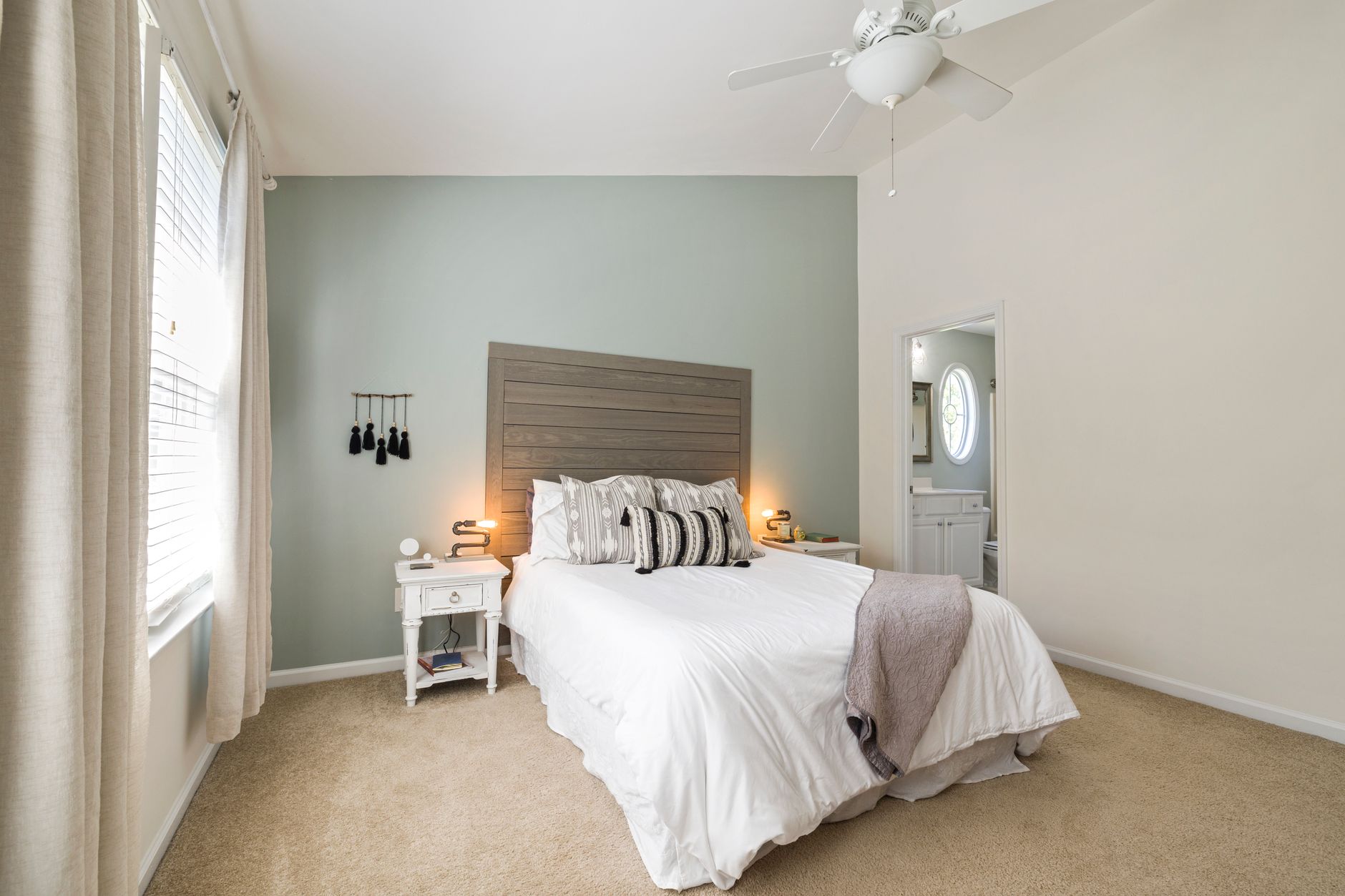
Imagine owning a property in Central Florida that not only pays for itself but also generates significant profit each month. Converting a single-family home into a co-living property could turn that vision into reality. Real estate investors across Orlando, Sanford, Lake Mary, and surrounding areas are tapping into the lucrative co-living market to maximize income potential while simplifying operations.
How Do You Convert a Home to Co-Living in Central Florida?
Converting a single-family home into a co-living property involves several crucial steps:
- Assess Local Demand: Before transformation, assess the local demand for co-living in Central Florida cities like Orlando and Winter Park.
- Design the Layout: Optimize living space by creating additional bedrooms and shared amenities.
- Update Infrastructure: Install smart locks and digital access systems for seamless management.
- Obtain Permits: Ensure all conversions comply with local zoning laws.
- Furnish and Decorate: Aim for aesthetic, functional, and comfortable environments that attract tenants.
- Market Your Property: Use rental listing platforms and emphasize amenities in your promotions.
How Much More Can Rent-by-the-Room Really Earn?
To illustrate potential returns, consider a 4-bedroom home in Sanford. Traditionally, this might rent for about $1,600 per month as a single unit. By converting it to a co-living model, renting each room at $800, the home could earn $3,200 or more monthly. This nearly doubles your income potential.
| Rental Type | Monthly Income |
|---|---|
| Traditional Single-Family | $1,600 |
| Co-Living Rent-by-the-Room | $3,200+ |
Breaking Down the Financials
Using frameworks such as cash-on-cash return and cap rate, investors can see compelling returns. A higher NOI (Net Operating Income) and GRM (Gross Rent Multiplier) signify a healthier, more profitable investment.
What Mistakes Should You Avoid During Conversion?
Here are common pitfalls when converting and how to steer clear:
Ignoring Zoning Laws:
Ensure compliance with local zoning and rental ordinances to avoid costly fines.
Underestimating Conversion Costs:
Accurate budgeting of construction, furnishing, and technology installation is critical. Consider hidden costs that may arise.
Mediocre Tenant Screening:
Effective tenant screening prevents potential conflicts and turnover, ensuring a stable rental income.
Why Is Co-Living Gaining Popularity in Central Florida?
The co-living model aligns with current market trends since it offers flexible, community-driven, and cost-effective living spaces. The 'hotelification' of co-living caters to tenants seeking high-quality facilities and service.
Is Co-Living a Viable Opportunity for Investors?
Backed by institutional investments and broader acceptance, co-living presents a viable opportunity for real estate investors in Central Florida. It offers an innovative, financially rewarding approach to property management.
Key Takeaways- Converting homes to co-living increases income potential in Central Florida significantly.
- Proper planning and execution of DIY or professional conversions are essential.
- Common mistakes include neglecting zoning laws and inaccurate budget predictions.
Curious about maximizing your property's income potential? Contact Avenir Real Estate Brokers for expert guidance in co-living conversions and management.
Frequently Asked Questions
Ready to Maximize Your Co-Living Returns?
Get a free income analysis and see what your property could earn with professional co-living management.
Get Free Analysis