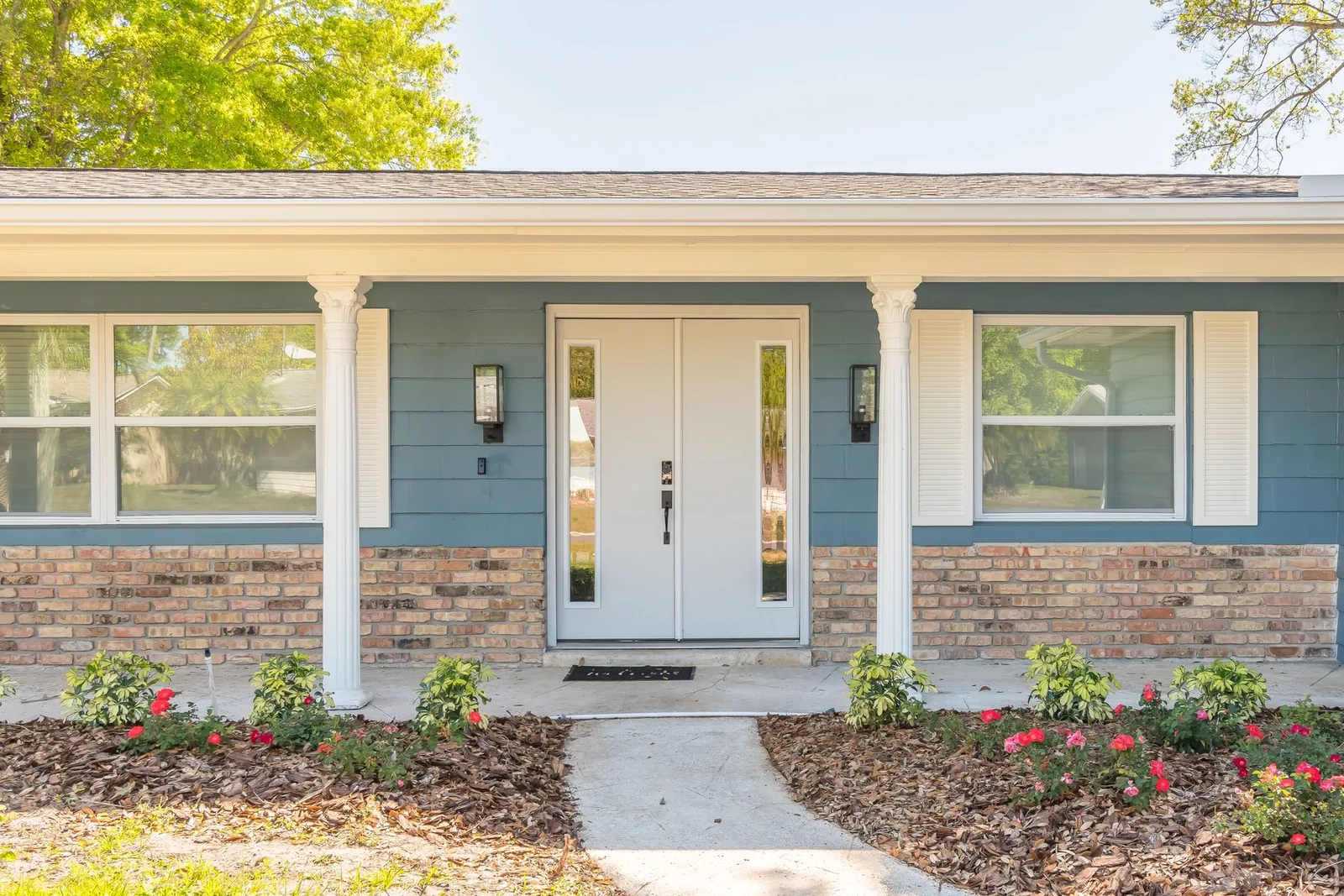
Imagine investing in a thriving co-living space in Sanford, only to discover your assumptions about legalities were misinformed, impacting both time and profits. For property owners, clarity on co-living's legal framework is crucial to capitalizing on its lucrative opportunities.
Occupancy and zoning rules vary by city and county, so check the current code for the property's address with the local planning department, and speak to a Florida land use attorney if anything is unclear.
Understanding Zoning Laws
Zoning laws in Sanford dictate property usage.
How Much More Can Rent-by-the-Room Really Earn?
Rent-by-the-room can significantly boost your income compared to traditional leasing.
What Are Common Misconceptions About Co-Living?
One prevalent myth is co-living leads to excessive tenant turnover. In reality, clear house rules and consistent applicant screening can help limit disruptions. Another misconception is the belief that co-living is challenging to manage. Partnering with professional co-living managers streamlines operations.
Legal and Operational Clarity: Steps to Success
Step 1: Conduct a Legal Assessment
- Consult with a real estate attorney specializing in Sanford zoning laws.
- Verify your property's zoning classification and any amendments needed.
Step 2: Optimize Operational Procedures
- Partner with a co-living property management expert.
- Use consistent, criteria-based applicant screening and clear house rules.
- Leverage technology for maintenance and communication efficiencies.
Key Takeaways
- Rent-by-the-room strategies can significantly increase property income.
- Misconceptions about co-living's complexity are often unfounded; professional management aids success.
Ready to explore the potential of co-living in Sanford? Contact Avenir Real Estate Brokers for an in-depth income analysis and to discuss co-living management for your property.
Frequently Asked Questions
Ready to Maximize Your Co-Living Returns?
Get a free income analysis and see what your property could earn with professional co-living management.
Get Free Analysis